Chinese Theater CollaborativeMain MenuAboutResources for PlaysDescription of pageMedia Types and Opera StylesHow to Teach With Chinese Theater Collaborative
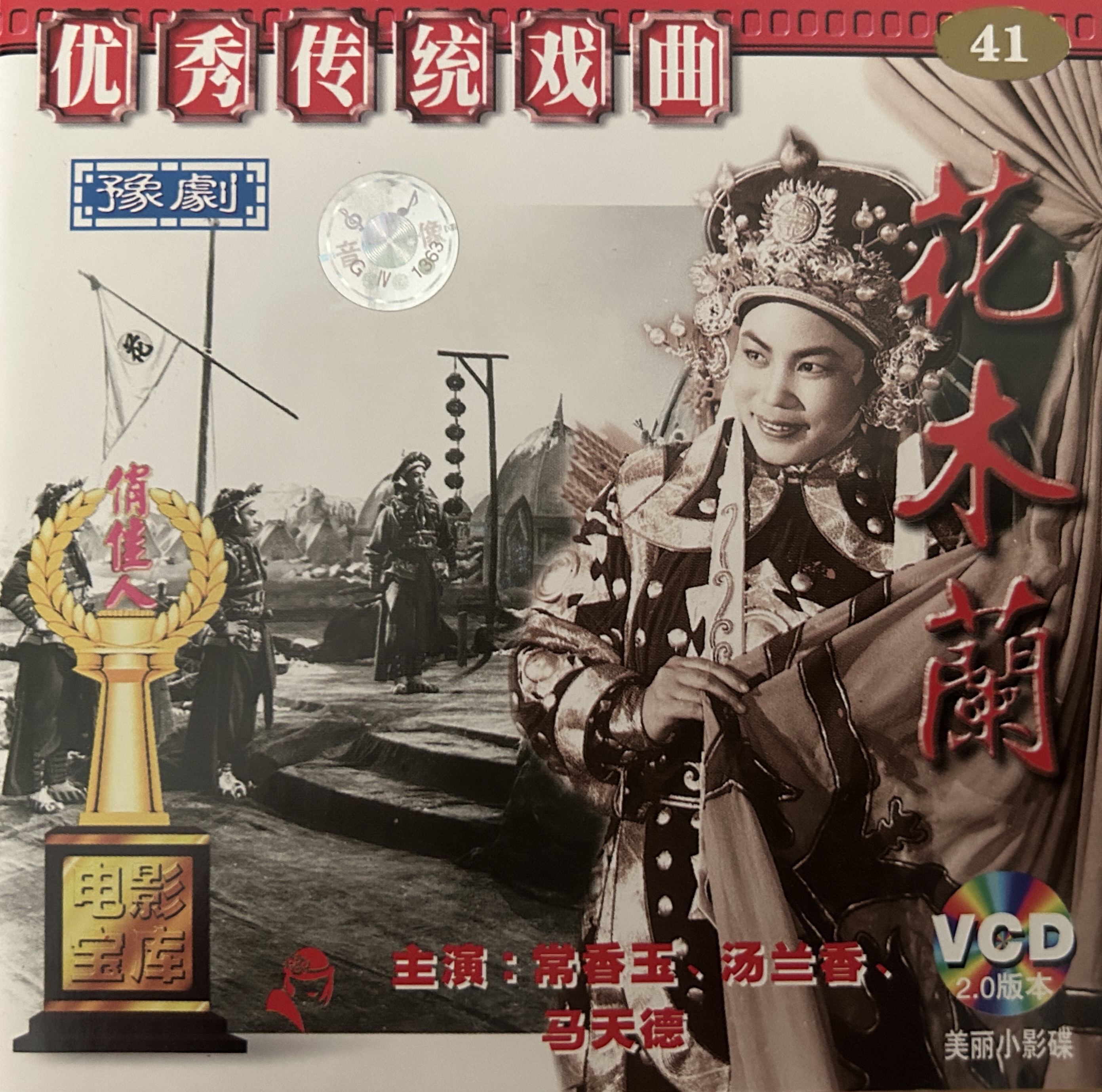
Cover of the Hua Mulan VCD
1media/Mediatype_OperaFilm_1_thumb.jpeg2025-12-23T20:10:14+00:00Jason Wangd86f87879d5d86129032e80721c14eb51cf319fb11Fig. 1: The cover of a VCD of the 1956 Hua Mulan issued by the Beijing Audiovisual Company and held by the OSU libraries.plain2025-12-23T20:10:14+00:00The VCD is held by the OSU libraries. Credit: Photograph by CTC Project Team.Jason Wangd86f87879d5d86129032e80721c14eb51cf319fb
This page is referenced by:
1media/CTC_StaticBG.pngmedia/armor.jpg2021-11-22T17:21:46+00:00Opera Film19plain2025-12-30T20:40:38+00:00 Opera film (xiqu pian 戲曲片) was a very important genre of Chinese filmmaking in the PRC, in Hong Kong, Taiwan, and Singapore in the 1950s into the 1970s. The first major color film in the PRC was an opera film (Liang Shanbo and Zhu Yingtai 梁山伯與祝英臺, 1953). Hundreds of such films were made during those decades. In some regards, this genre paved the way for the eventual rise of the martial arts/Kung fu action film that found audiences around the world.
Opera films are principally designed as films rather than as live theater. In that regard, they are akin to Western-style musical drama films. Opera films are shot in a studio setting. They take advantage of film to remediate other art forms such as theater, painting, poetry, and more. They also make use of special effects. The accomplished singing is an integral part of the appeal of such productions. In some cases, actors and actresses developed a reputation in live performance before being featured in opera film (e.g., Chang Xingyu in Hua Mulan, 1956). In other cases, the genre of opera film itself became the vehicle for stardom (e.g., Ivy Ling Po in Hua Mulan, 1964).
Opera films were shown in theaters, but in the 1950s, they were also shown by the cultural teams that visited the countryside in the PRC. Their blend of traditional elements with modern messaging appealed to a broad swath of audiences in many parts of the Chinese-speaking world.